
The allure of risk-taking
The psychology of gambling is intricately tied to humanity’s inherent tendency for risk-taking. Many individuals are drawn to the thrill of uncertainty, a core aspect of gambling that captivates players. This attraction often stems from an innate desire to escape the predictability of daily life, as the prospect of winning—however remote it may seem—invokes a sense of adventure. For those seeking to enhance their gaming experience, options like fast withdrawal casino uk real money can add to the excitement and euphoria that comes with participating in games of chance.
Moreover, the thrill associated with high-stakes games creates an atmosphere where the stakes feel significantly amplified compared to everyday decisions. This environment can heighten emotions, leading many players to experience intense feelings of elation during wins and deep despair during losses. The contrast between these emotional states can establish a cycle of engagement, as individuals repeatedly seek to replicate the euphoric feelings that accompany their wins, further compelling their desire to gamble. The highs and lows become addictive, creating an emotional dependency on the game.
Additionally, the phenomenon of ‘FOMO’ (fear of missing out) plays a crucial role in gambling behavior. Social interactions that involve gambling can enhance the experience, as individuals may feel compelled to participate to maintain social connections or to avoid feeling excluded. This emphasis on social engagement underscores that the allure of risk-taking is not a solitary endeavor but often a shared social activity, amplifying the excitement of gambling and making it even more appealing to individuals seeking camaraderie and thrill.
The psychological effects of winning and losing
The psychological impact of winning in gambling is profound, often triggering a powerful response that reinforces the behavior. When players experience a win, their brain’s reward system releases dopamine, a neurotransmitter that creates feelings of pleasure and satisfaction. This chemical reaction not only reinforces the behavior but also alters the individual’s perception of future outcomes. Gamblers may begin to overestimate their chances of winning again, thinking they are on a winning streak or have developed a ‘lucky’ strategy, which can lead to increased betting and, consequently, more significant risks.
Conversely, the emotional repercussions of losing can be equally intense and detrimental. The fallout from losses often leads to feelings of frustration, shame, or denial. Many gamblers fall into a psychological trap known as ‘chasing losses,’ where they continue to gamble in an attempt to recover lost funds. This behavior can quickly spiral into a destructive cycle, as the hope of regaining losses drives individuals to take even greater risks, potentially resulting in devastating financial and personal consequences. The emotional turmoil following losses can be a significant factor in the development of gambling addiction.
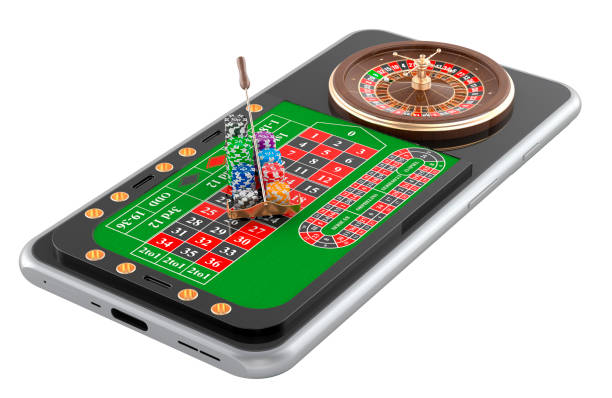
Understanding the emotional landscape of gambling is crucial, as players often experience a mix of hope, excitement, anxiety, and distress. These psychological effects can blur the line between entertainment and harmful behavior. Recognizing when gambling has transitioned from a recreational activity to a source of distress empowers individuals to make informed decisions about their gambling habits. Awareness of these emotional stakes can serve as a foundational step toward healthier gambling practices.
The role of cognitive biases
Cognitive biases play a significant role in shaping the decision-making processes of gamblers, often leading them to make irrational choices. One prevalent bias is the ‘gambler’s fallacy,’ where individuals mistakenly believe that past events can affect future outcomes in random games. For example, a player might think that after a series of losses, a win must be due, prompting continued play despite evidence suggesting otherwise. This misconception illustrates how cognitive biases can distort reality and lead to poor financial decisions, entrenching players deeper into gambling.
Another critical bias impacting gambling behavior is confirmation bias. Gamblers may focus on their winning bets while conveniently ignoring their losing ones, which reinforces a false belief in their skills or luck. This selective memory can perpetuate the gambling cycle, as individuals convince themselves they possess some degree of control over unpredictable outcomes. Over time, these biases contribute to a distorted self-image, complicating an individual’s understanding of their gambling behaviors and increasing the likelihood of problematic gambling.
The illusion of control is yet another cognitive aspect that fuels gambling behavior. Many gamblers believe they can influence the outcome of games, particularly in those that involve an element of skill, such as poker or sports betting. This belief can be particularly strong, leading players to think their strategies will improve their chances of winning. However, most gambling outcomes are determined by chance, yet the perception of control can drive a higher frequency of play, reinforcing gambling habits and increasing the risk of addiction.
The impact of social and cultural influences
Gambling behavior is often shaped by various social and cultural factors that can influence individuals’ perceptions and attitudes toward gambling. The normalization of gambling in society can create an environment where individuals feel more compelled to participate. In cultures where gambling is widely accepted or celebrated, such as during major sporting events or holidays, people may feel social pressure to join in these activities. Peer influence can significantly affect gambling behavior, as friends or family members who gamble can normalize the practice, leading to increased participation.

The portrayal of gambling in media also plays a crucial role in shaping public perception and behavior. Films, television shows, and advertisements often depict gambling as glamorous or thrilling, presenting an idealized version of the experience. These representations can diminish the perceived risks associated with gambling and may lead to increased participation, particularly among vulnerable individuals who may not fully grasp the potential consequences. As media continues to glamorize gambling, it becomes essential to address the disparity between fiction and reality.
Understanding the social and cultural context of gambling is essential for recognizing its complex nature. Factors such as community attitudes, economic conditions, and social networks contribute to individual gambling habits. By examining these influences, it becomes clear that the psychology of gambling is deeply intertwined with the environment in which individuals operate, affecting both their engagement and perceptions of risk. This understanding can inform more effective strategies for promoting responsible gambling practices within communities.
Understanding responsible gambling and support resources
As gambling behaviors can lead to problematic patterns, understanding responsible gambling is vital for fostering a healthy relationship with games of chance. Responsible gambling encompasses principles of moderation, awareness, and informed decision-making. It encourages individuals to set limits on their gambling activities, ensuring that it remains a form of entertainment rather than a source of personal distress. Education about the risks associated with gambling empowers individuals to make informed choices and seek help when necessary, promoting a culture of responsibility.
Support resources for individuals struggling with gambling addiction are increasingly accessible, providing various services that include counseling, financial advice, and community resources. Organizations dedicated to promoting responsible gambling aim to create awareness and foster an environment where individuals can discuss their issues openly. This open dialogue facilitates recovery and understanding, allowing individuals to recognize when their gambling habits may be becoming a concern. Proactive engagement with these resources is crucial for preventing and addressing gambling-related issues.
In conclusion, the psychology of gambling is a multifaceted topic encompassing risk-taking behavior, emotional responses, cognitive biases, social influences, and responsible practices. Understanding these elements can help individuals navigate their relationship with gambling and promote healthier behaviors. By prioritizing awareness and support, we can foster an environment that encourages enjoyment without compromising well-being. As we explore the complexities of gambling, it becomes clear that education and community support are essential tools in promoting responsible gambling practices.